Tabby Cat Sitting Embroidery Design Review
A First Look at Tabby Cat Sitting
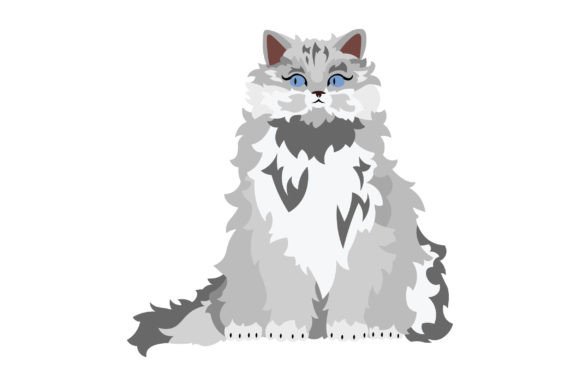
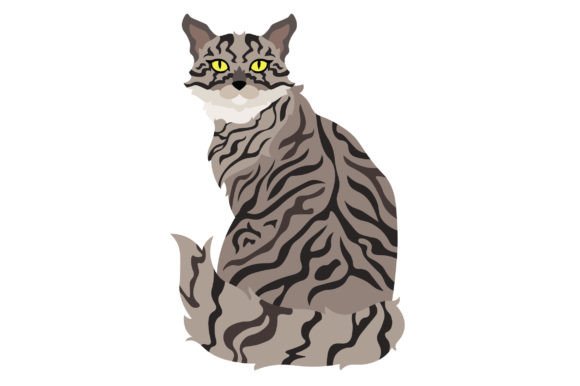
When I first opened the Tabby Cat Sitting embroidery design file, it immediately brought a sense of calm and charm to my workspace. The design has a soft, approachable vibe that feels perfect for a range of handmade projects. The tabby cat is sitting in a relaxed posture, with gentle curves and expressive eyes that add personality without being too detailed.
The layout is centered and balanced, making it ideal for both small and larger embroidery projects. The level of detail is just right—not too intricate that it becomes overwhelming, but enough to give the cat a sense of life and character. This makes it a versatile choice for a variety of fabric types and project sizes.
Real-World Application: A Custom Embroidered Tote Bag
Let’s imagine using Tabby Cat Sitting on a custom embroidered tote bag. As someone who regularly creates personalized items for Etsy sellers and boutique shops, I can see this design fitting perfectly on a canvas tote or even a cotton blend bag. The cat's size and placement would allow it to be the focal point without overpowering the overall look.
I envision the design stitched in a combination of satin and running stitches to give the cat depth and texture. Using a light gray or muted color palette could help the design stand out on a white or neutral background. However, if placed on a darker fabric, I would recommend testing the thread colors for contrast and clarity.
This design would also work well as an embroidered patch or a decorative element on a baby onesie or apron. Its simplicity and charm make it suitable for a wide range of audiences, from young children to adults who appreciate whimsical designs.
Where to Use Tabby Cat Sitting with Care
While Tabby Cat Sitting is a great design, there are some considerations when applying it to certain materials or products. For instance, using it on stretchy fabrics like knits or jerseys may require additional stabilizer to prevent distortion during stitching. Similarly, if you're working with thin or textured fabrics, the stitch density might need adjustment to maintain clarity and avoid puckering.
Care should also be taken when placing the design on curved surfaces such as caps or hats. Testing the design on scrap fabric first is always a good idea to ensure the final result looks as intended. Additionally, if you plan to use the design on dark-colored fabrics, be sure to check the thread colors for visibility and contrast.
For commercial embroidery or digital product sales, confirming the licensing terms is essential. Since Tabby Cat Sitting comes in SVG, PNG, EPS, and DXF formats, it should be compatible with most embroidery machines and software. However, always verify the specific requirements before selling finished items or digital assets.
Design Impact on Visual Appeal and Branding
One of the key factors I consider as a designer is how a piece affects the visual appeal of the final product. Tabby Cat Sitting adds a touch of warmth and playfulness that can elevate any handmade item. Whether it's a personalized gift, a boutique product, or a commercial embroidery asset, this design brings a sense of quality and attention to detail.
For craft businesses and Etsy sellers, using this design consistently across different products can help build brand recognition. It's especially useful for holiday gifts or nursery decor where a cute, recognizable image can enhance customer engagement and satisfaction.
The clarity of the design also plays a role in customer trust. When a product features a clean, well-executed embroidery design, it speaks volumes about the care and professionalism behind the creation. This can be particularly important for handmade shop owners looking to establish a strong reputation in the market.
Embroidery Designer Notes and Best Practices
Before using Tabby Cat Sitting in a real project, I recommend testing the design on scrap fabric to evaluate stitch density and thread color contrast. This will help determine whether adjustments are needed for different fabric types or colors.
Reviewing the hoop size required for the design is also crucial. If the design is larger than your usual hoop, you may need to adjust your setup or split the design into sections. Inspecting small details and ensuring they remain clear after stitching is another important step.
Testing the design in black and white mockups can help identify potential issues with contrast and clarity. Comparing the design on light and dark backgrounds is also helpful, especially if you plan to use it on a variety of products.
Using proper stabilizer and choosing the right thread colors based on the fabric texture can significantly impact the final appearance. Always confirm whether the design works for both personal and commercial projects and review the licensing terms before selling finished items or digital products.
Tabby Cat Sitting is a solid choice for anyone looking to add a charming, versatile design to their embroidery projects. With thoughtful application and attention to detail, it can become a valuable asset in your creative toolkit.