Bengal Cat Jumping Embroidery Design Review
A First Look at Bengal Cat Jumping
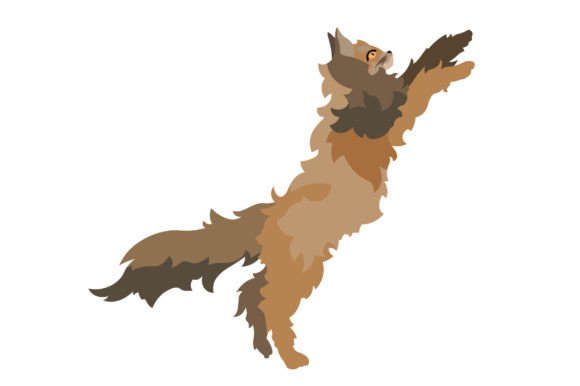
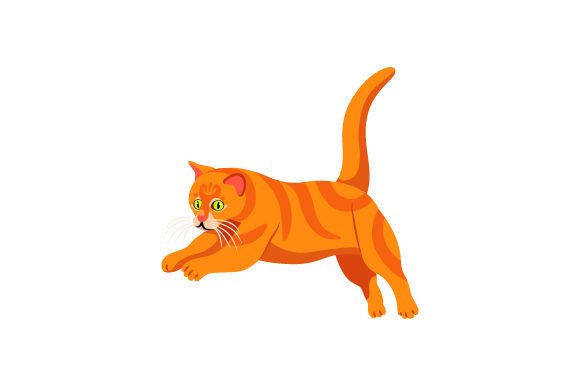
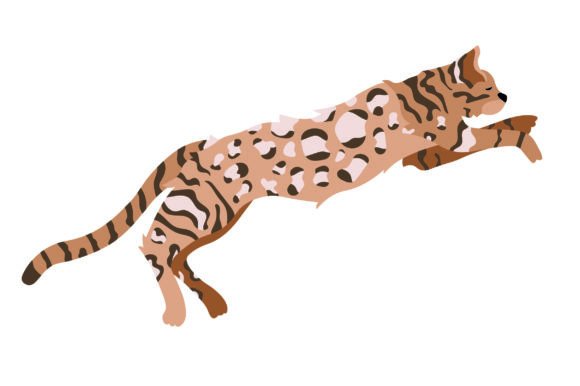
When I first opened the Bengal Cat Jumping embroidery design file, I was immediately drawn to its dynamic energy. The cat is mid-leap, with a sense of motion that feels almost alive. This isn't just a static image—it's a moment captured in time, and that makes it perfect for projects that want to convey playfulness or whimsy.
The design has a clean layout with well-defined shapes and smooth curves. The level of detail is impressive without being overwhelming, which means it should work well on a variety of fabric types and hoop sizes. It feels like a natural fit for custom apparel, especially sweatshirts or tote bags where you want the design to stand out but not dominate the piece.
Real-World Application: Custom Tote Bag Design
I imagined using Bengal Cat Jumping as the main feature on a custom embroidered tote bag. The cat’s posture and movement would add a fun, eye-catching element to a practical item. I can see this design working particularly well on light-colored fabrics, where the contrast between the cat and background would be more pronounced.
However, if I were to use it on a dark fabric, I’d need to ensure the thread colors used are bright enough to maintain visibility. Testing the design on scrap fabric first would help determine how the stitch density affects the overall look and feel of the finished product.
This design could also be adapted for smaller items like patches or aprons, where the cat’s expression and motion would still be recognizable. For example, an embroidered patch with Bengal Cat Jumping could be a charming addition to a handmade apron or a personalized gift for a cat lover.
Performance in Various Embroidery Projects
Bengal Cat Jumping shows promise across several embroidery applications. On sweatshirts or t-shirts, the design would work best when placed on a flat, non-stretchy area to avoid distortion. For baby clothes, the design’s playful nature makes it ideal for onesies or rompers, provided the stitching doesn’t interfere with seams or comfort.
If used on caps or hats, I’d recommend checking the curvature of the surface to make sure the design adapts well. A curved surface might require some adjustments to the hoop size or stabilizer choice to keep the stitches tight and even.
For commercial embroidery projects, such as boutique branding or small shop merchandise, the design’s versatility allows it to be used in multiple ways—whether as a standalone piece or part of a larger pattern. It could easily be paired with text or other motifs to create a cohesive look for Etsy listings or craft fair products.
As a digital embroidery file, Bengal Cat Jumping offers good flexibility with formats like SVG, Transparent PNG, EPS, and DXF. These allow for easy integration into printable mockups or digital product previews, making it a solid asset for designers who sell digital embroidery files or offer downloadable design packs.
Where to Use with Caution
While Bengal Cat Jumping is a strong design, there are certain scenarios where it might require extra attention. On small hoop sizes, the details of the cat’s tail or paws might get lost, so I’d advise testing the design at different scales before committing to a final project.
Textured or stretchy fabrics could affect the clarity of the stitching, especially around the cat’s limbs and body. Using a proper stabilizer and adjusting the stitch density could help maintain the integrity of the design.
Also, if the design is used on layered garments or items that need frequent washing, the durability of the embroidery should be tested. A high-quality stabilizer and appropriate thread type will be essential for long-lasting results.
Design Notes for Embroidery Professionals
Before using Bengal Cat Jumping in any project, I recommend the following steps:
- Test on scrap fabric: Always test the design on a sample piece of fabric before applying it to your final product.
- Check thread color contrast: Ensure the chosen thread colors provide good visibility against the fabric background.
- Review stitch density: Adjust the stitch count if needed to prevent overcrowding or gaps in the design.
- Confirm hoop size: Make sure the design fits comfortably within your hoop to avoid stretching or distortion.
- Inspect small details: Check that all parts of the design, like the cat’s eyes or fur texture, are clear and defined.
- Use black and white mockups: This helps assess how the design will look on different fabric colors.
- Check licensing: Before selling finished items or digital products, confirm that the design’s license allows for commercial use.
Bengal Cat Jumping has the potential to elevate a wide range of embroidery projects—from handmade gifts to commercial designs. Its expressive nature and adaptable format make it a valuable asset for any designer or small business owner looking to add a touch of charm to their work.